RBC disseminates research findings on HIV, NCDs, and key populations in Rwanda
Kigali, 29 August 2025 Rwanda Biomedical Centre (RBC), in collaboration with researchers and other institution partners, disseminated findings from six major studies exploring the intersection of HIV, non-communicable diseases (NCDs), and key populations.

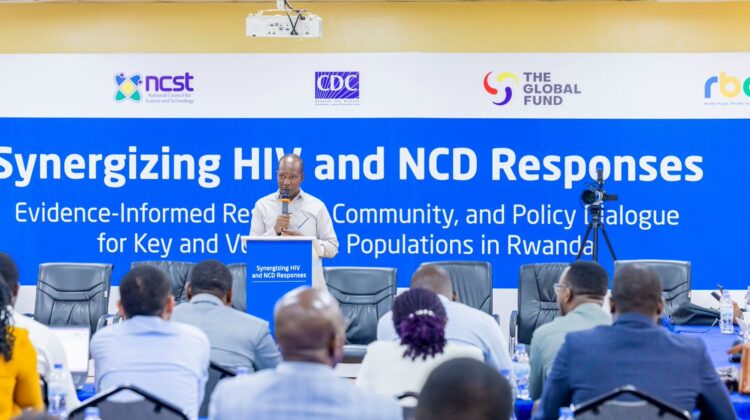
Held under the theme “Synergizing HIV & NCD responses: evidence-informed research, community, and policy dialogue for key & vulnerable populations in Rwanda,” the symposium highlighted both progress and pressing challenges in the country’s response and urgent call towards patient care and treatment.
The dissemination brought together policymakers, program implementers, and civil society actors to share evidences, foster dialogue, and identify solutions for building stronger health system. The findings presented focused on the dual burden of HIV and NCDs, as well as health risks among key populations.
The following are the key takeaways from the disseminated findings:
1. Determinants of cervical cancer screening uptake among women living with HIV (WLHIV)Out of 5,606 women in the study, 5,284 were eligible for cervical cancer screening.
Key enablers included: health education from providers, availability of services at nearby facilities, and positive peer influence.
2. Bio behavioral surveillance survey and population size estimation among MSM in Rwanda
The study revealed the prevalence of HIV among MSM and has shown the rate of access to PrEP
3. Burden of Non-Communicable Diseases among People Living with HIV
A national cross-sectional analysis assessing access to ART and prevalence of NCDs among PLHIV has observed NCDs as follow:
- Hypertension: 24.2%
- Diabetes: 1.1%
- Asthma: 1.1%
- Cervical cancer lesions: 17.2%
4. Success of key population program on HIV control among female sex workers (FSW)
The study evaluated trends in HIV prevalence and behavioral changes among FSWs, highlighting progress and remaining gaps.
5. Mapping and size estimation of People who inject drugs (PWID) and determination of their risks to HIV and viral Hepatitis infections in Rwanda
The study estimated the population size of PWID in Rwanda and assessed the risks of HIV and viral hepatitis transmission in this vulnerable group.
6. Prevalence, correlates of Dyslipidaemia, and 10-year cardiovascular risk among HIV+ & HIV- adults in Rwanda
The study examined dyslipidemia prevalence and predictors among both HIV-positive and HIV-negative adults and has estimated 10-year cardiovascular disease risk across the two populations.
In his remarks, Dr. Eric Remera, Division Manager of RIDS, emphasized that the dissemination was not just about presenting numbers but about improving lives.
“Evidence of how HIV and NCDs intersect must guide stronger policies, partnerships, and integrated services. We need to treat patients holistically not just the disease they live with.” He stated.
Rwanda has made remarkable strides in the fight against HIV in the achievement of 95-95-95- global target ahead of time. However, the growing burden of NCDs such as hypertension, diabetes, and cervical cancer alongside persistent health disparities among key populations, has revealed an ur gent need for integrated care.